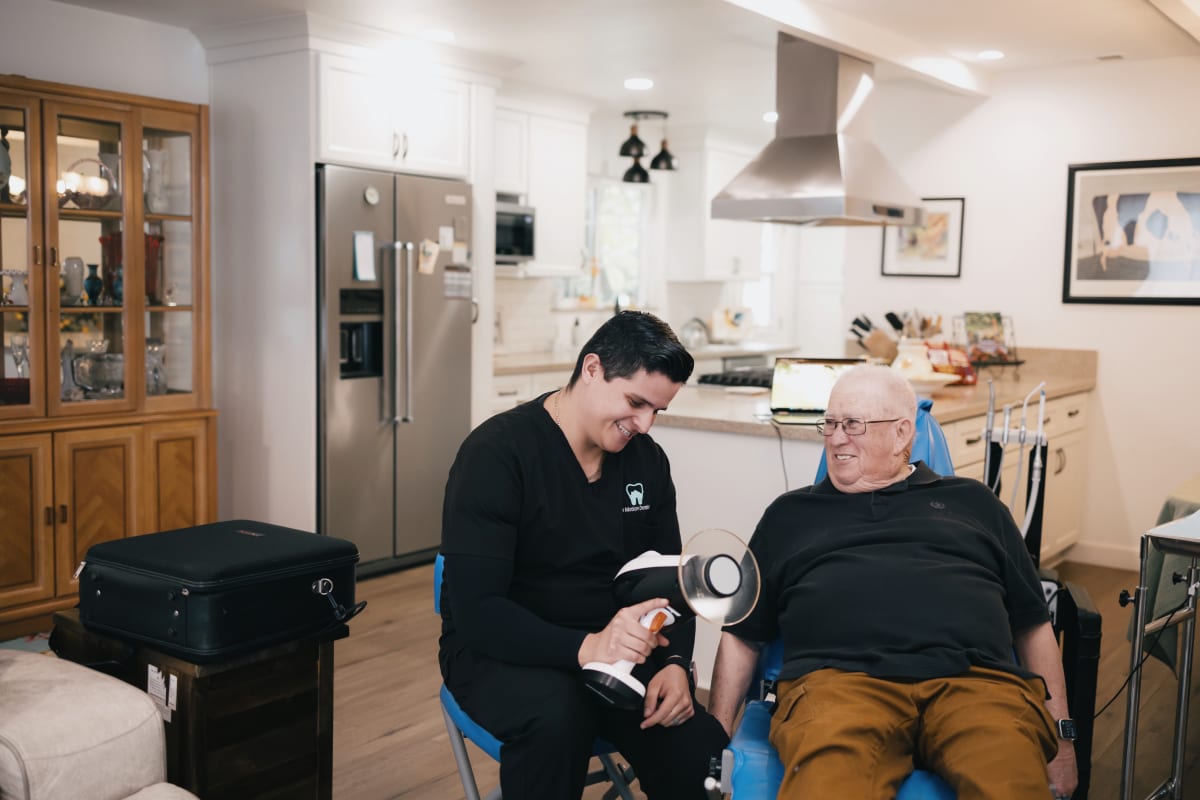
What House Call Dentistry for Seniors Actually Looks Like: From First Call to First Visit
What To Do When Traditional Dental Visits Become Difficult
Many families find themselves in a situation they never expected: a loved one who needs dental care but can no longer easily get to a traditional dental office. Maybe it's mobility challenges, dementia, medical complexity, or simply the overwhelming nature of transporting someone who is elderly or has special needs through an unfamiliar clinical environment.
These families often feel stuck between difficult options—either attempt a stressful office visit or watch dental health decline. What many don't realize is that comprehensive dental care can be brought directly to the patient, in their own home or care facility, with the same professional standards they would receive anywhere else.
Dr. Banner and the team at In Motion Dentists have built their practice exclusively around this reality. We serve seniors, individuals with disabilities, and medically fragile patients throughout Los Angeles County, Orange County, and San Diego County, and more. We bring everything needed for complete dental care directly to private homes, assisted living communities, and memory care facilities.
This article walks through exactly how house call dentistry works—from that first phone call to what the appointment actually looks like. Our goal is to give families a clear, honest understanding of what's possible, what to expect, and how this approach can make quality dental care accessible again for those who need it most.
What Happens When You Make That First Phone Call
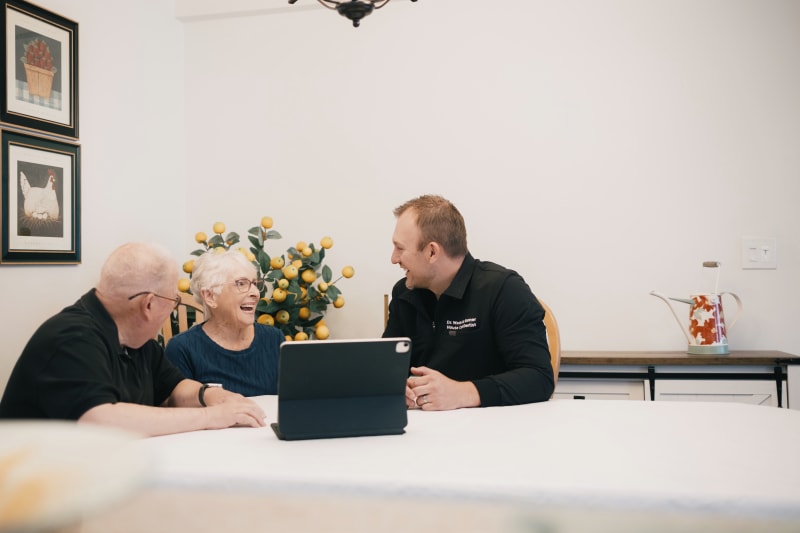
Making that first call feels more manageable than most families expect. And honestly, that's by design. Dr. Banner and the team at In Motion Dentists understand that reaching out for help with a loved one's dental care often comes with worry and uncertainty.
When you call In Motion Dentists at (626) 594-0374, the conversation isn't a formal intake process or a checklist you have to get through perfectly. It's a compassionate exchange with people who specialize in caring for seniors, patients with special needs, and medically complex individuals. The team has this kind of conversation regularly with families who are figuring things out as they go, who aren't sure what to call the problem, and who sometimes just need someone to help them think through the next step.
Here's what that call typically covers:
- The patient's mobility situation and where they're living (at home, assisted living, or memory care)
- Whether there's a caregiver or family member present during visits
- What's prompting the call right now—visible pain, a broken tooth, a denture that stopped fitting, or simply that care has slipped for a while and it's time to get back on track
All of that helps the team understand not just what specialized equipment to bring, but how to prepare for the visit in a way that actually fits the patient's unique situation.
That last part matters more than people realize. The questions aren't just about scheduling a time slot. The answers shape which portable dental equipment comes along, whether any special accommodations make sense for patients with dementia or mobility limitations, and how the team approaches the appointment before they ever walk through the door.
A patient who is bedbound needs a different setup than someone who can sit comfortably in a recliner. A patient with cognitive decline may need a different pace and approach than someone who simply has trouble getting around. The intake call is where that personalized care plan starts to form.
The clinical standards are the same. The setting is simply different.
There are some practical concerns that come up a lot, and they're worth addressing directly:
- Is it messy? No more than a standard dental visit. The team brings everything needed to keep the workspace clean and organized, and they leave the space the way they found it.
- Does the room need to be prepared in any special way? Not really. Good lighting and enough space to work comfortably around the patient is about all that's needed.
- Will it be disruptive to other people in the home? The equipment is quiet. There's no loud machinery, no drilling sounds echoing through the house, and no disruption to the rest of the household.
For many patients, especially seniors, individuals with disabilities, or those with dementia who feel anxious in clinical environments, being at home actually makes the experience calmer and more manageable. The familiar surroundings, their own furniture, their own sounds and smells, all of that matters more than people realize. A patient who might be tense or uncooperative in a waiting room is often noticeably more relaxed when care comes to them. This is especially important for medically fragile patients or those who cannot easily transfer from wheelchairs or beds.
So when families try to picture what a house call visit looks like, the reality is that it looks like a real dental appointment with the same professional standards you'd expect in any office, just delivered with the compassion and convenience that comes from meeting patients where they are most comfortable.
What the Dentist Actually Brings to the Home
One of the first questions families ask is whether house call dentistry can really provide the same quality of care as a traditional office. The answer is yes—and here's exactly what makes that possible.
The Aseptico Go Ultra Portable Dental System
Dr. Banner and Dr. Bernardo use the most advanced portable dental delivery system available—the Aseptico Go Ultra. This isn't a scaled-down version of dental equipment. It's a complete, professional-grade system designed specifically to deliver the same quality of care you would receive in any modern dental office.
The system includes high-speed and low-speed handpieces, ultrasonic scaling capabilities, air and water delivery, suction, and LED lighting. We can perform comprehensive exams, take digital X-rays, complete cleanings, place fillings, perform extractions, and handle most general dental procedures right in your home.
Complete Sterilization and Safety Protocols
Every instrument is sterilized to the same hospital-grade standards required in traditional dental offices. We bring our own sterile water supply, disposable barriers, and follow strict infection control protocols. The safety and cleanliness standards are identical to what you would find in any professional dental practice.
What We Can (and Cannot) Do at Home
Nearly all general dental services can be provided in your home: comprehensive exams, digital X-rays, cleanings, fillings, crowns, bridges, extractions, denture care, and emergency treatment. We can also provide dental implant consultations and some implant procedures, depending on the patient's condition.
What requires a traditional office or surgical setting: complex oral surgery, certain types of sedation, and some advanced procedures that need specialized imaging or equipment. We're always honest about what can be done at home versus what needs to be referred elsewhere.
The Setup Process
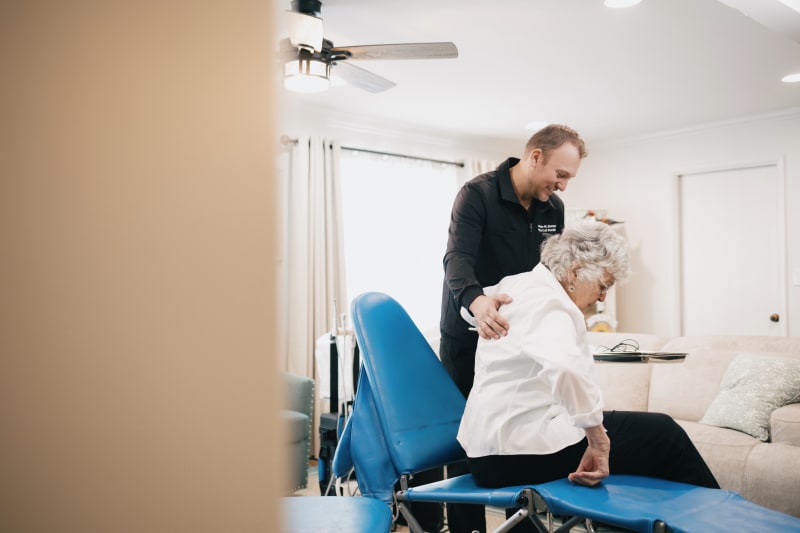
When our team arrives, we transform a small area of your home into a clean, organized treatment space. This usually takes about 10-15 minutes. We work around your furniture and belongings respectfully, using protective coverings and ensuring everything is returned to exactly how we found it when we leave.
The patient can remain in their own bed, favorite chair, or wheelchair—whatever position is most comfortable and safe for them. We adapt our equipment and approach to work within those limitations, not the other way around.
What Families Want to Know Before They Call
How much does house call dentistry cost?
House call dentistry is a specialized service that requires extensive training, advanced portable equipment, and a team specifically prepared to work with vulnerable populations. We are honest about pricing because families deserve to make informed decisions. When you call and ask what something costs, we will give you a straightforward answer; no runaround, no surprises. While we do not accept insurance directly, we provide all the documentation you need to submit for reimbursement, and many families find their plans cover a significant portion. If cost is a concern, we offer financing through Cherry to make care accessible when it is needed most.
Can you really provide quality care for patients with dementia, Parkinson's, or those who are bedridden?
This is exactly what Dr. Banner and Dr. Bernardo have built their careers around. With over 10 years of house call experience, our team has developed specialized techniques for caring for patients with cognitive decline, movement disorders, and complex medical conditions. For many of our patients, home-based care is not just more convenient; it is the only way they can receive dental treatment with dignity and comfort.
Will you judge us for how long it has been since their last dental visit?
Never. We see families every week who are caring for loved ones with complex needs, and we understand how dental care can slip when you are managing medications, doctor appointments, mobility challenges, and daily caregiving.
If You're Still Not Sure, That's What the First Call Is For
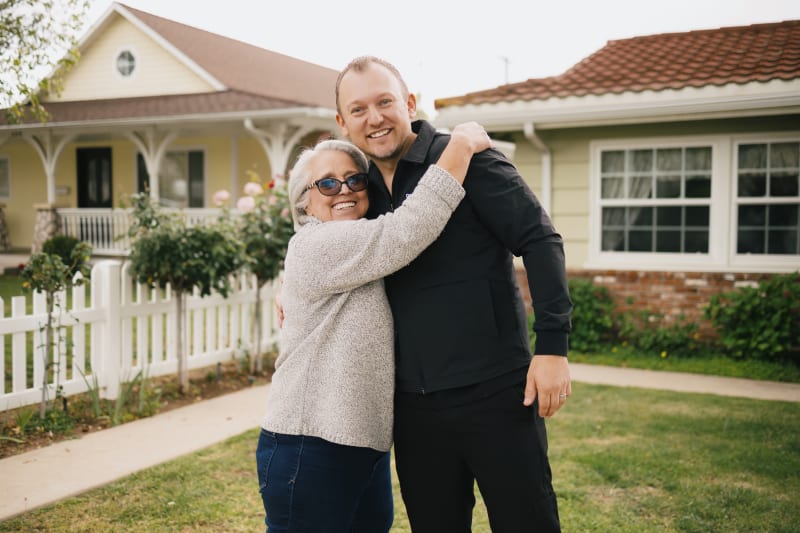
Maybe you've been reading for a while now, and you still feel like you're not quite ready to pick up the phone. That's okay. It doesn't mean you haven't learned anything. It probably just means you care a lot about getting this right for someone who matters to you.
A lot of the families who reach out to In Motion Dentists describe exactly that feeling. They've been sitting with this for weeks, sometimes longer. They know something needs to happen. They're just not sure where to start, or whether this is even the right fit for their situation.
That first call isn't a commitment. It's a conversation.
You don't need to have a diagnosis ready or know exactly what treatment your loved one needs. You can simply say: here's what's going on, here's what's been hard, and here's what I'm hoping to figure out. Dr. Banner and the team hear that every week from families caring for seniors, patients with special needs, and those with mobility challenges.
We understand the concerns families carry, whether your loved one will be comfortable, if care has been delayed too long, or if treatment can be done safely at home. Our team has built their expertise around exactly these situations, working with patients who have dementia, are wheelchair-bound, or haven't had dental care in years.
The goal isn't to sign anyone up for anything. It's to help you understand whether what In Motion Dentists does is actually a good match for your loved one's needs, and to give you a clearer sense of what care could realistically look like from here.
If you're ready to have that conversation, you can call (626) 594-0374 or learn more about the dental services we bring directly to patients throughout Los Angeles County, Orange County, and San Diego County.
Delivering Dentistry To You
Call (626) 594-0374 or request an appointment online to set up your first visit. We’ll be in touch soon.
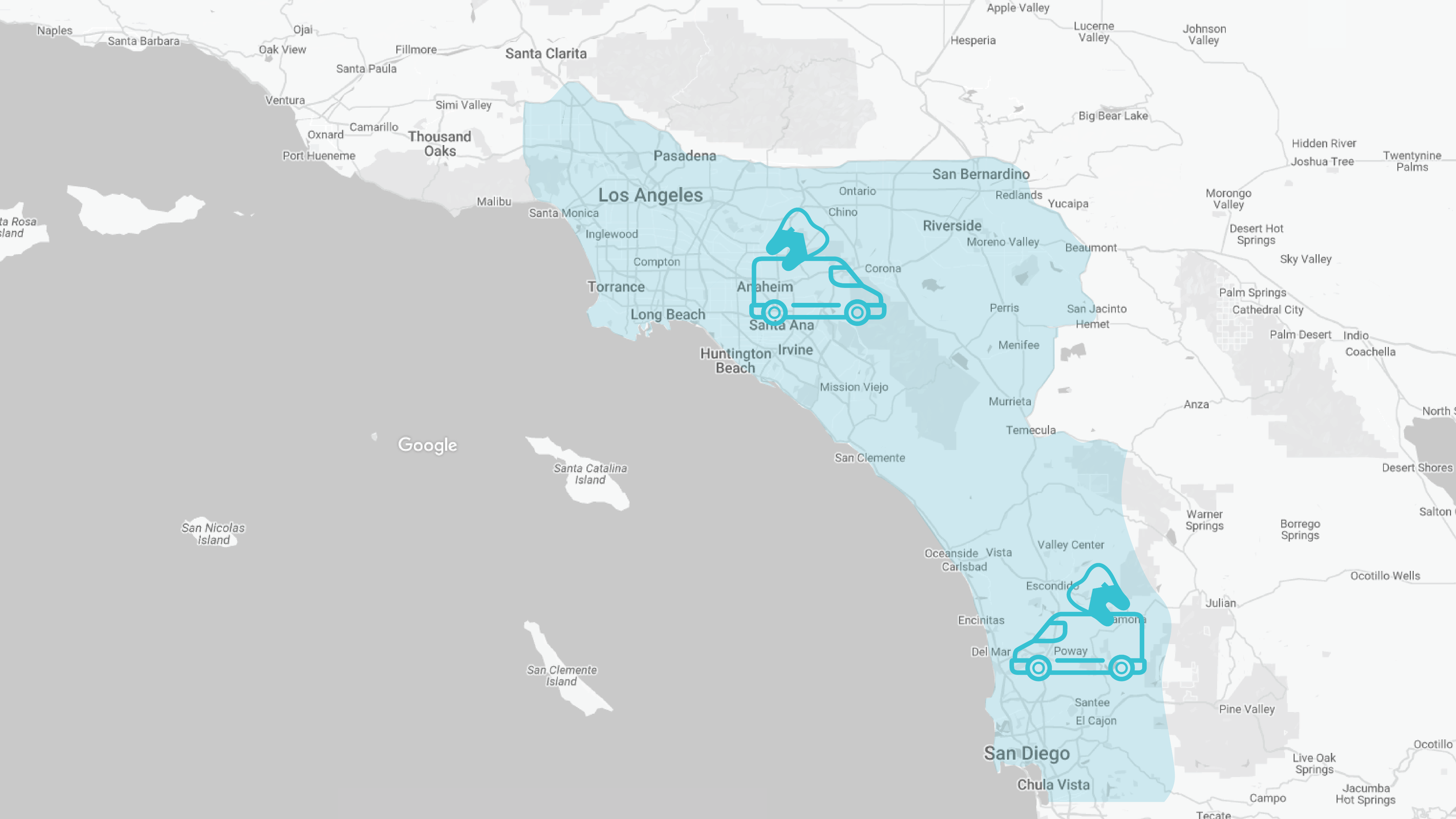
Areas We Serve
Headquarters