Early Signs of Dental Pain in Seniors Who Cannot Easily Communicate
When Something Is Wrong but They Can't Tell You
You know your loved one. You know their rhythms, their moods, the way they settle into their chair after dinner. So when something shifts, you feel it before you can name it. Maybe they're pushing food around the plate instead of eating. Maybe they cried through a routine bath that never used to bother them, or they became suddenly combative at bedtime for no reason you could identify.
You've gone through the mental checklist: sleep, medication, infection, pain. But nothing quite fits, and that uncertainty is its own kind of exhaustion. The fear of missing something real while feeling helpless to find it is one of the hardest parts of caring for someone who can't tell you where it hurts.
What many caregivers don't realize is that dental pain and oral infection are among the most commonly overlooked causes of behavioral changes in non-verbal or cognitively impaired seniors. The signals are there, but they rarely look the way we expect. In Dr. Banner's experience providing house call dental services across Southern California through In Motion Dentists, this pattern comes up regularly: families searching everywhere for answers while dental issues quietly progress unnoticed.
This isn't a general guide to brushing and flossing. It's a recognition guide, written for the person sitting across the dinner table wondering why everything suddenly feels harder.
Quick Takeaways for Caregivers
- Trust your instincts: If eating, sleeping, or mood patterns change without a clear explanation, put dental pain on your checklist.
- Look for protection behaviors: New resistance to face washing, toothbrushing, or being touched near the jaw often signals mouth pain, not stubbornness.
- Keep a simple log: Jot down changes in eating, sleep, or agitation over a few days. That record helps us understand what's been happening before we arrive.
- Call and describe what you see: When you reach out to In Motion Dentists at (626) 594-0374, share the behavioral changes you've noticed. Dr. Banner and his team of dentists are trained to connect those observations to potential dental causes.
Why Dental Pain Hides So Well in Seniors with Dementia or Stroke
Understanding why your loved one can't tell you something is wrong is just as important as knowing what to look for. The reality is that multiple factors are working against clear communication, and it has nothing to do with how closely you've been paying attention.
How Aging Changes Pain Perception
- Older adults often have higher pain thresholds than younger people
- They may feel less acute discomfort from the same injury or infection
- This isn't resilience but a physiological shift that makes serious problems easier to miss
Neurological Barriers to Communication
- Both dementia and stroke can damage brain areas responsible for localizing pain
- Patients may feel something is wrong but cannot point to their jaw or describe a toothache
- They often cannot connect their discomfort to their mouth at all
- Stroke survivors face similar gaps, especially when language has been affected
- The pain is real, but the ability to report it simply isn't there
Why Dental Pain Gets Overlooked
- Behavioral changes from dental pain look identical to disease progression
- Increased agitation, withdrawal, eating resistance, and mood shifts are commonly attributed to advancing dementia
- A treatable physical cause gets overlooked because it fits existing diagnoses
None of this is your fault. These aren't signs you should have caught immediately. In Dr. Banner's 10+ years of bringing dental care directly to patients across Southern California, he and his team of dentists have seen how this gap in recognition affects families again and again. The challenge is real, but once you know what to look for, these patterns become much more recognizable.
Behavioral Signals That Often Point to Mouth Pain
When someone can tell you their tooth hurts, the path forward is clear. But for seniors with dementia, individuals with cognitive or developmental disabilities, or anyone whose ability to communicate pain has been compromised, the signal rarely comes as words. It comes as behavior. And if you know what to look for, the pattern becomes surprisingly readable.
Warning Signs We See Most Often
- Sudden resistance during face care: Increased agitation or combativeness during face washing, toothbrushing, or eating. When a tooth is infected, cracked, or severely decayed, any pressure near that area triggers a pain response. The person is not being difficult. They are protecting themselves from something that hurts.
- Guarding behavior around the face: Resisting being touched near the face or jaw. Dental pain can radiate into the jaw, ear, and surrounding tissue, making even gentle contact feel threatening.
- New sleep disturbances: Suddenly waking more often, seeming restless, or showing signs of exhaustion without an obvious cause. Dental pain tends to intensify at night when there are fewer distractions.
- Increased vocalizing: More moaning or crying without a clear trigger. For someone who cannot say "my tooth hurts," vocalization becomes the outlet for pain.
- Withdrawal and decreased engagement: Becoming less interactive, less interested in activities they used to enjoy, or simply quieter than usual. Chronic pain is exhausting and narrows a person's world.
- Changes in eating habits: Sudden refusal of foods they previously enjoyed, avoiding crunchy foods, chewing on only one side, or preferring only soft or liquid foods. When chewing hurts, they stop doing it.
None of these signals on their own is a diagnosis. But taken together, or even appearing one at a time in someone who cannot self-report pain, they are worth acting on. We have learned to recognize these patterns in homebound patients, seniors in memory care, and individuals with special needs across Southern California. If any of these behaviors sound familiar, call us at (626) 594-0374 to discuss what you have been noticing.
Physical Signs You Can Actually See or Observe
Behavioral changes can point you in the right direction, but sometimes the clearest signals are the ones you can see with your own eyes. You don't need any medical training to notice them. You just need to know what to look for.
Face and Jaw Warning Signs
- Repeatedly touching, rubbing, or holding one side of their face. This might look like an absent-minded habit, but that kind of repeated contact often means something in that area doesn't feel right.
- Any swelling along the jaw, cheek, or under the chin. This can indicate an abscess, which is an infection that can spread quickly and become dangerous. Swelling in this area warrants same-day contact with a dental or medical provider. Waiting to see if it gets better on its own is not the right call.
Mouth and Gum Changes
- Visible redness, puffiness, or swelling along the gums. A sign that something is happening beneath the surface, even if the person isn't complaining of pain.
- Bad breath that suddenly worsens or smells noticeably different. A significant change in odor can signal infection, decay, or gum disease that has been quietly progressing.
Eating and Denture Issues
- Consistently chewing on only one side of their mouth. Often a sign they are compensating for discomfort on the other side.
- Increased drooling or new difficulty swallowing. Can point to oral pain or changes in how the mouth is functioning.
- Leaving dentures out more often, or dentures that visibly no longer fit. Ill-fitting dentures cause sore spots, affect eating, and can quietly make every meal a source of discomfort.
None of these signs require the person to tell you something is wrong. That's exactly what makes them so important to recognize. When you're seeing more than one of these at once, getting a professional evaluation is worth doing. And if getting to a dental office isn't realistic, that's not a barrier. We come to your loved one, wherever they are most comfortable.
How to Do a Simple Visual Check at Home
You can learn to spot warning signs even without clinical training. This isn't about making a diagnosis. It's about gathering information that helps when you reach out. After 10+ years of house calls across Southern California, Dr. Banner has walked countless families through these same observation techniques.
Best Times for a Visual Check
- After a calm, familiar moment in the day (like after a meal when they've settled)
- Following a routine they associate with comfort
- When they're not agitated, tired, or in transition
- During natural lighting near a window, or using your phone's flashlight
Positioning Tips
- Sit or stand where you can see clearly without hovering over them
- Keep a small flashlight or phone flashlight handy for better visibility
- Remember: you're getting a clear view, not performing an exam
What to Look For
- Redness, swelling, or puffiness along the gums or cheeks
- Teeth that look broken, darkened, or visibly worn down
- White patches on the tongue, inner cheeks, or gum tissue
- Food consistently packed into one area of the mouth (often signals a tooth or restoration that's no longer intact)
- Sore spots or raw-looking areas under dentures
When They Won't Let You Look
- Don't push through resistance. This damages trust and makes future care harder
- Try narrating what you're doing in a calm, low voice beforehand
- Use simple phrases like "I just want to take a little peek, just for a second"
- Make it part of an existing routine, like right after brushing
- Remember: resistance itself tells us something important about their comfort level
Whatever you observe, or don't get the chance to observe, is still useful information. When you share what you've noticed, Dr. Banner and his team of dentists can use those details to guide the visit and adjust their approach before they even arrive.
What to Tell the Dentist When Your Loved One Can't Speak for Themselves
One of the most common questions caregivers have before a house call visit is: what do I actually say when Dr. Banner and his team of dentists arrive? Especially when the person receiving care is non-verbal, has dementia, or simply cannot describe what is bothering them. The observations you have already been making are more useful than you might think. You just need to know how to organize them.
Before the Visit
Keep a short log for a few days before the appointment. Write down anything that seemed off:
- Changes in eating habits or a sudden preference for soft foods
- New resistance to brushing or face washing
- More drooling than usual
- Moments where your loved one touched their face, seemed agitated, or pulled away from anything near their mouth
Plain observations in your own words are exactly what we need. Caregivers often notice the most clinically important details, even when they do not realize that is what they are doing.
During the Visit
The most useful things to share with our team are:
- Any recent changes in eating, sleep, or mood, even if they seem unrelated to the mouth
- What you noticed during any home visual check, such as dark spots, broken areas, swollen gums, or sores
- A current medication list, because many common medications cause dry mouth, which accelerates decay and affects how tissue heals
- What tends to trigger distress during oral care at home, and what tends to help
That kind of information makes you a real clinical partner in the visit. Our team knows how to use what you share to guide the exam, adjust our approach, and identify what the patient cannot say out loud.
You Know Your Loved One Better Than Anyone
If you have made it this far, you are probably someone who pays close attention. You notice the small things: a change in appetite, a new reluctance to eat certain foods, a moment of discomfort that passed too quickly to name. That kind of observational knowledge matters. It is often the earliest warning system a person has, and it is worth trusting.
Dental pain in seniors rarely announces itself clearly, especially in someone living with dementia, stroke-related changes, or other conditions that make communication harder. But you know them. You know what "off" looks like for them. And if something has been nagging at you, that instinct deserves a real answer.
Moving Forward
The patterns you have learned to recognize in this guide can help you feel more confident about when to seek care. Early recognition often means simpler treatment and less discomfort for your loved one. More importantly, addressing oral health concerns can improve their overall comfort, nutrition, and quality of life in ways that extend far beyond their teeth.
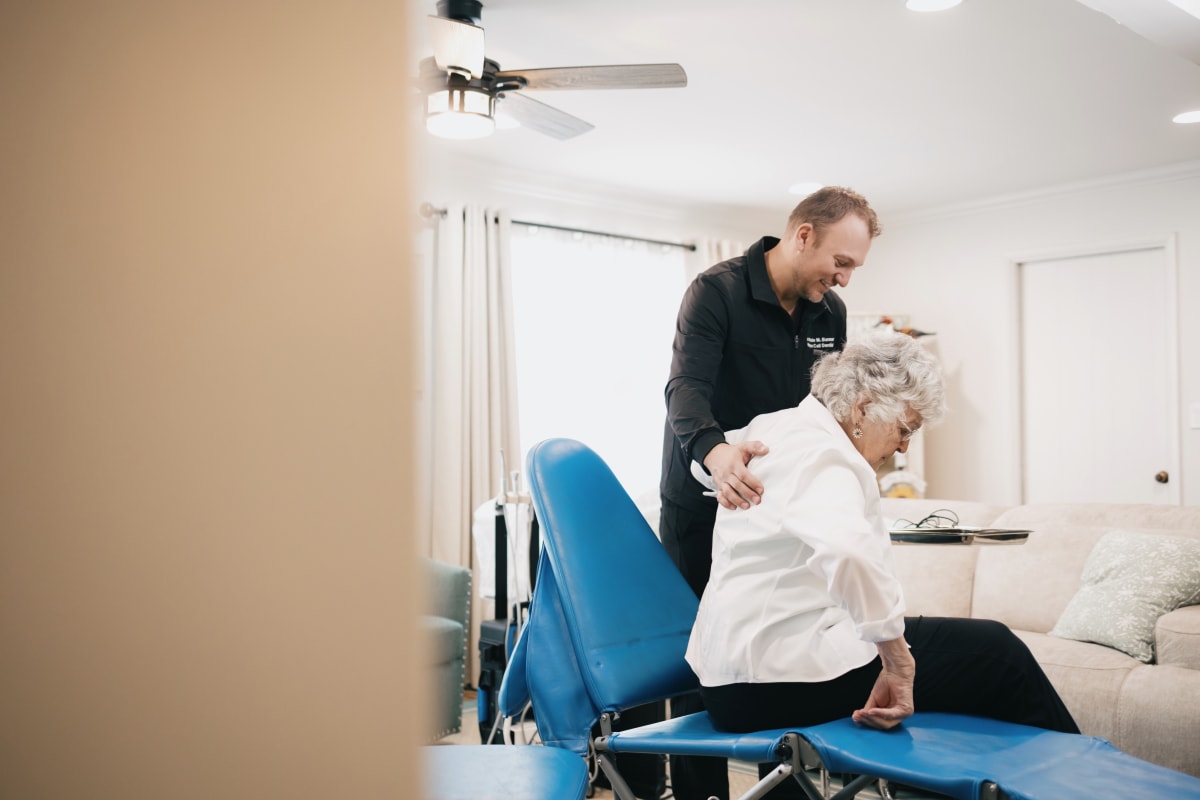
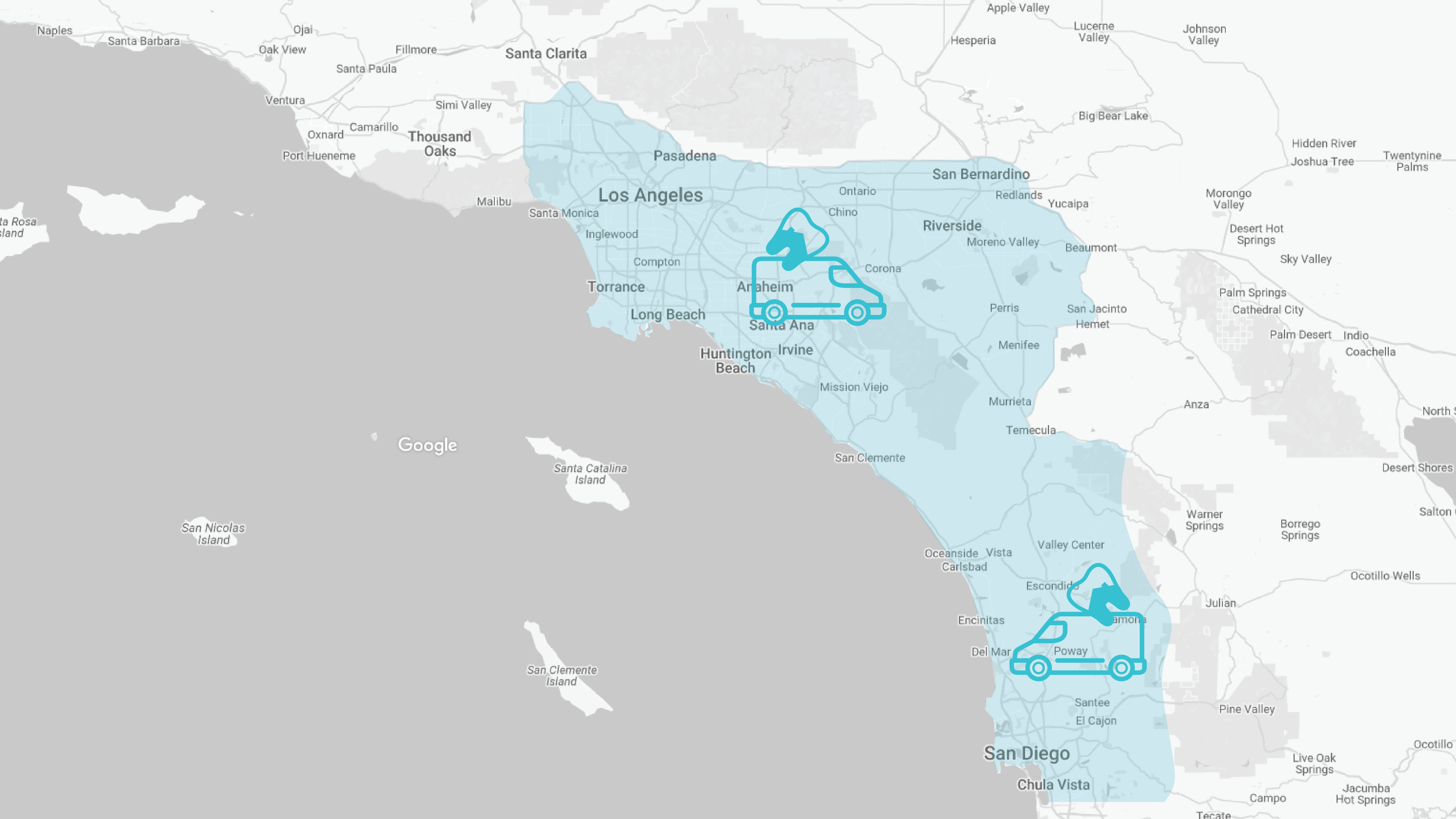
We come to you, whether that is a private home, assisted living community, or memory care setting across Los Angeles County, Orange County, and San Diego County. There is no office visit, no stressful transport, and no waiting room. Just professional, compassionate dental care delivered where your loved one is most comfortable.
If you have questions or just want to talk through what your loved one might need, give us a call at (626) 594-0374. We would love to have that conversation.
Delivering Dentistry To You
Call (626) 594-0374 or request an appointment online to set up your first visit. We’ll be in touch soon.
Areas We Serve

Headquarters