Wisdom Teeth Removal in Southern California
Your House Call Dentist in Southern California
Wisdom Teeth Removal at Home Across Southern California
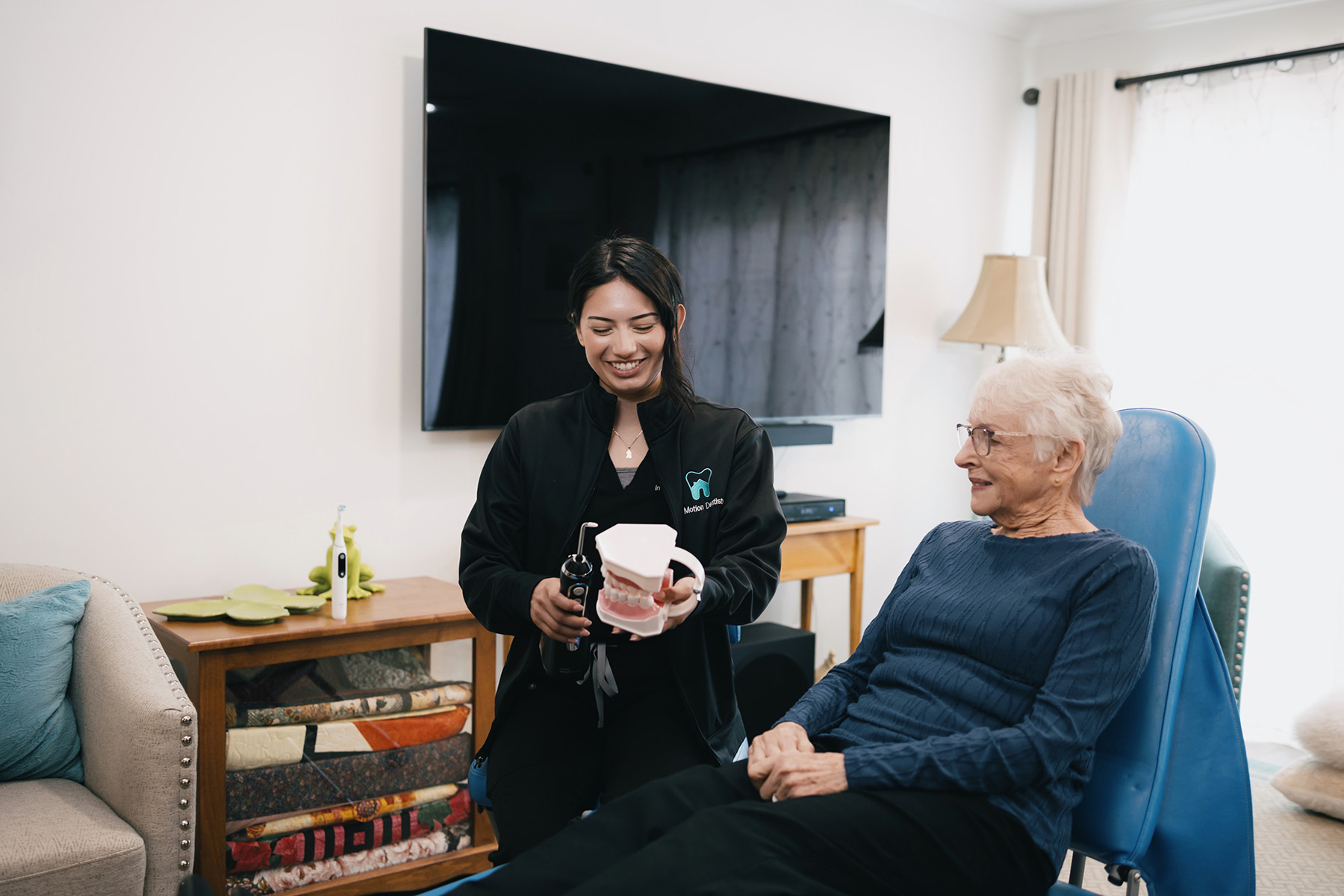
When you're caring for an aging parent, a family member with special needs, or anyone who can't easily get to a dental office, a sore or impacted wisdom tooth can feel like a problem with no good answer. Dr. Wade Banner and the In Motion Dentists team bring dental care directly to the patient, in their own home or care setting, so your loved one avoids a stressful drive or clinical waiting room just to get relief.
A thorough evaluation, including X-rays, can happen right where the patient is most comfortable. Some wisdom teeth sit in positions that are safer to treat in a surgical setting, and when that's the case, we'll tell you plainly.
To talk through what your loved one is dealing with, call us at (626) 594-0374.
Quick Takeaways
- We come to you. We treat patients in private homes, assisted living, memory care, and skilled nursing settings throughout Los Angeles, Orange, and San Diego counties.
- Start with an evaluation, not a decision. The first visit is about understanding the tooth and the patient's overall health, with no pressure to commit that day.
- Ask what can be done at home. Many straightforward extractions happen right there; deeper impactions may need a referral, and we'll explain why.
- Have a caregiver on hand. Plan for a family member or caregiver to be present during recovery.
- You don't need it all figured out first. A quick phone call is enough to get started.
What Wisdom Teeth Are, and Why They Cause Trouble
Wisdom teeth are the third molars, the last teeth to come in at the very back of the mouth. They usually show up in the late teens or early twenties, but they can sit quietly for decades and flare up later in life, which is why they're a real concern in older patients too.
Most jaws don't have room for them. A wisdom tooth can stay partly or fully trapped under the gum, lean into the tooth next door, or break through only partway. Any of these can bring on pain, infection, swelling, and pressure on nearby teeth. For someone who can't easily describe what's wrong, like a patient living with dementia, the first sign is often a change in behavior. Because we come to the patient, you don't have to manage a hard trip just to get the problem looked at.
Signs a Wisdom Tooth May Need Attention
- Pain, swelling, or tenderness toward the back of the mouth
- Gums that bleed, look red, or seem inflamed around the rear molars
- Bad breath or a bad taste that won't clear up
- Pulling at the face, refusing food, or suddenly eating only soft foods (common subtle signs in seniors)
- Crowding or shifting of nearby teeth
How the Process Works
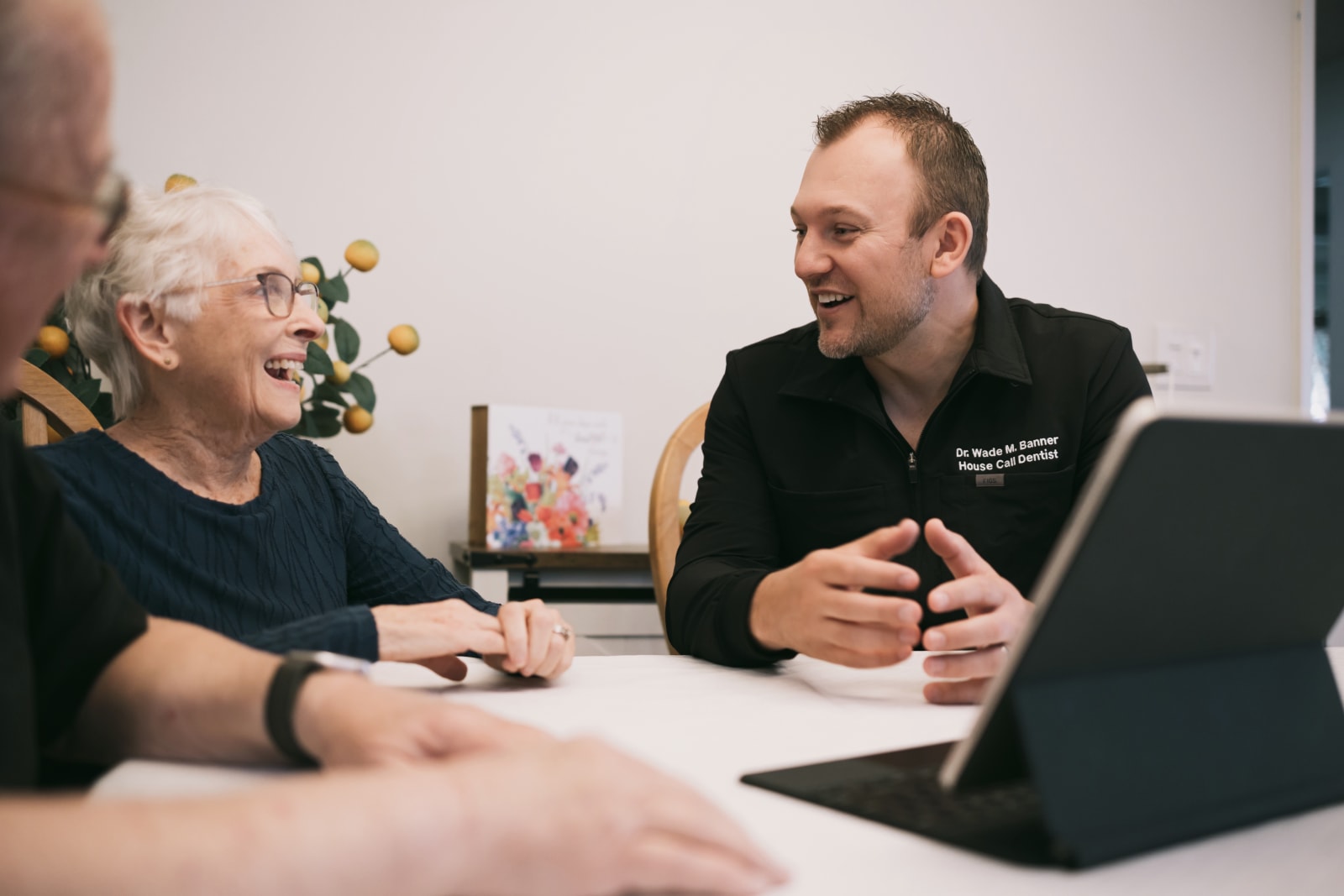
- A conversation first. When you call, we talk through the patient's health history, medications, mobility, and what's been going on. That tells us whether care can happen safely at home and what to bring.
- In-home evaluation and X-rays. Our team arrives with professional portable equipment and sets up a clean treatment area wherever the patient is comfortable, whether a recliner, bed, or wheelchair. We assess the tooth, take any needed images, and review overall oral health.
- A clear plan and honest options. We explain what we're seeing in plain terms, whether the tooth can come out at home, and what the cost will look like. If a tooth is deeply impacted or sits close to a nerve, we'll say so and coordinate the right referral.
- The extraction. When removal at home is appropriate, we numb the area thoroughly and work gently, adjusting to the patient's comfort throughout.
- Aftercare review. Before we leave, we walk the patient and caregiver through recovery step by step, including pain management and any prescribed medication. If ongoing senior dental care would help, we'll set that up too.
Why Removing a Problem Wisdom Tooth Matters
- Pain relief. An impacted or infected wisdom tooth is a steady source of discomfort. Taking it out ends that.
- Protection for neighboring teeth. A tooth pushing against the molar in front can cause decay and damage that's far harder to fix later.
- An end to recurring infection. Partly erupted wisdom teeth trap food and bacteria, leading to swelling and gum infections that keep coming back.
- Easier eating and better nutrition. When the back of the mouth stops hurting, patients often eat more comfortably again, which matters enormously for seniors' health and weight.
- Fewer surprises. Even a wisdom tooth that isn't hurting yet can be evaluated during a house call, so you're not caught off guard by a painful emergency later.
Who This Is Right For, and Who Should Reconsider
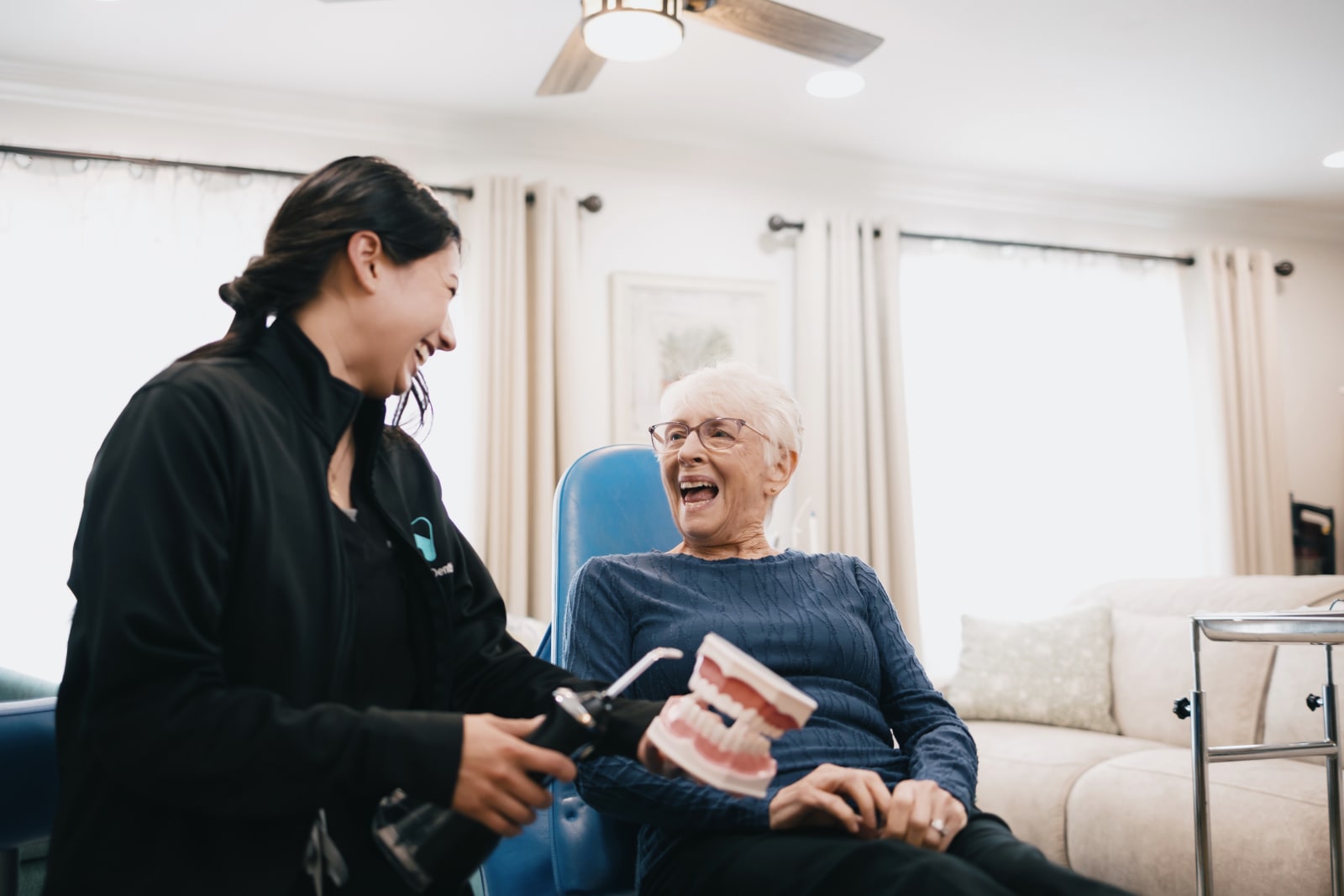
In-home wisdom tooth care fits patients who can't easily travel: seniors, those who are homebound or use a wheelchair, and adults living with conditions like Parkinson's, Alzheimer's, autism, or other physical and intellectual disabilities. Families who find the trip exhausting, stressful, or medically risky often find this is the realistic path forward.
Not every wisdom tooth belongs in a home setting, though. Deeply impacted teeth, those wrapped close to a nerve, or patients with complex medical histories may be safer in a surgical environment. We'd rather be honest than promise something that isn't in the patient's best interest. The evaluation comes first, and we'll point you toward whatever is safest, even when that means a referral.
What to Expect on Timing
Many patients begin with a single evaluation visit. If a straightforward extraction can be done at home, it may happen the same day or at a follow-up once we've planned for it. Visits are paced to the patient's comfort and stamina, a genuine advantage of being treated in a familiar place. Swelling usually peaks within the first 48 hours and eases over the following days, with most soreness behind you within about a week.
Preparing Beforehand and Caring for the Patient After
Before the visit
- Have a current medication list and relevant medical history ready.
- Pick a comfortable, well-lit spot where the patient can sit or recline.
- Jot down any questions or changes you've noticed so nothing gets forgotten.
After the extraction
- Use prescribed or over-the-counter medication as directed for discomfort.
- Stick to soft foods and keep food away from the extraction site while it heals.
- Follow the post-op instructions we leave with you, exactly as written.
- Some swelling and soreness are normal and should ease each day. If anything seems to be getting worse, reach out.
Cost and Financing
Cost depends on the tooth's position, how complex the removal is, and whether imaging or sedation is involved, so we review specifics during the evaluation. We share prices openly. We're a fee-for-service practice with payment due at the time of treatment, and as a courtesy we file claims with your PPO insurance so you can get your maximum reimbursement.
If paying over time would help, we offer third-party financing through Cherry, including 0% APR options and no hard credit check. Learn more on our Cherry financing page.
Why Families Choose In Motion Dentists
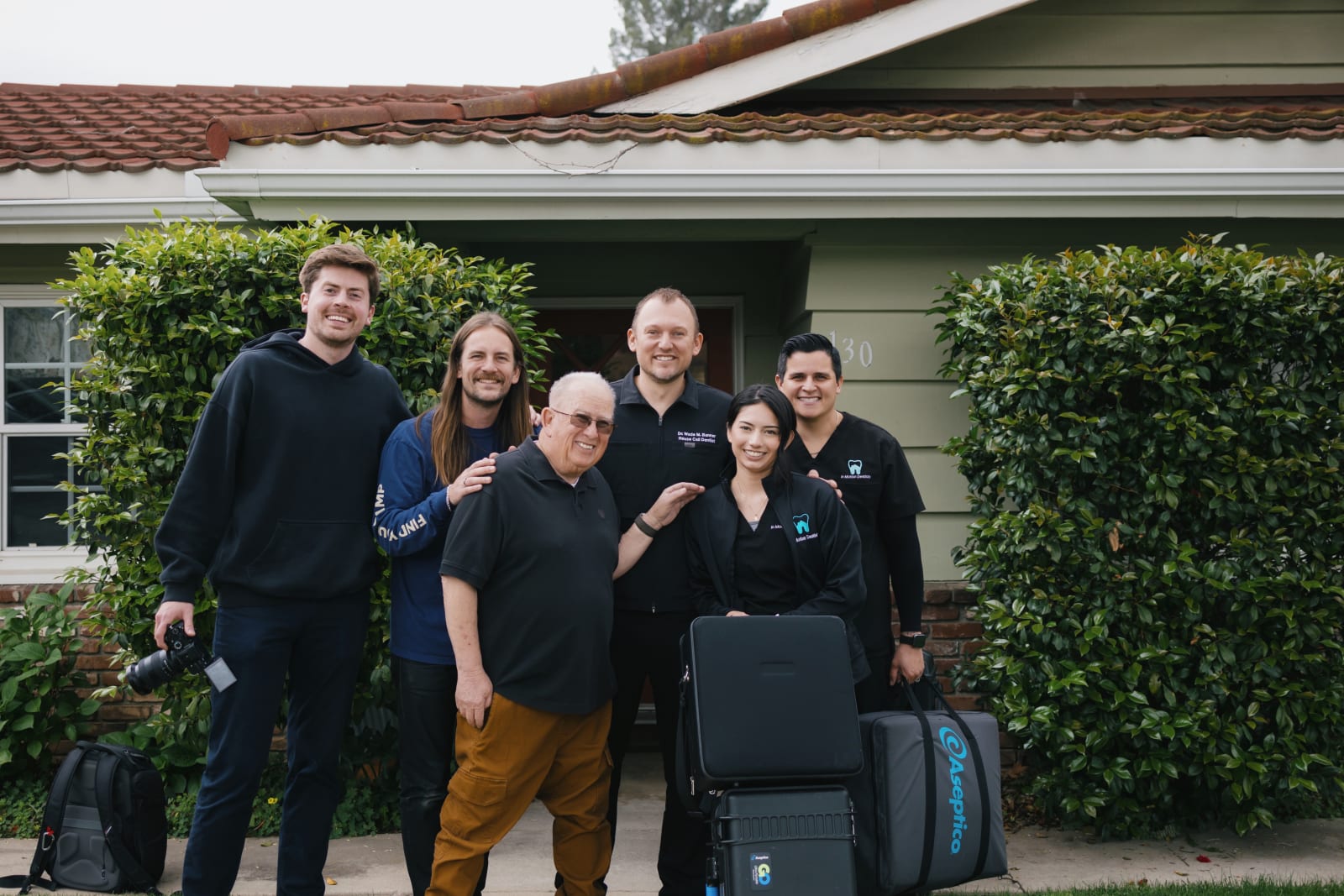
We built our entire practice around people who have the hardest time reaching a dental office. Dr. Banner has more than a decade of experience delivering house-call dentistry, and our doctors and team are deeply practiced at caring for elderly, medically complex, and special-needs patients with patience and dignity.
We work alongside families, caregivers, and care facilities to build a realistic plan, explain what's possible, and stay involved through recovery. Our portable equipment is professional-grade, and the standard of care matches what you'd expect anywhere. The real difference is that the patient stays somewhere familiar, where they tend to feel calmer and more cooperative. For a fuller picture, our what makes us different page lays it out.
Frequently Asked Questions
Can a wisdom tooth really be removed at home?
Many can. Straightforward extractions are routinely done in the home setting with portable equipment and proper anesthesia. Some teeth still need a surgical setting, and we'll tell you honestly which applies to your loved one.
Is it safe for an elderly or medically fragile patient?
Safety is the first thing we look at. We review the patient's health history and medications, and we only proceed with what can be done safely where they are. When a tooth or medical condition calls for more, we say so and help arrange the right care.
How will I know if my loved one's wisdom tooth is a problem if they can't tell me?
When a patient can't describe what's wrong, a change in behavior is often the first clue, such as new agitation, pulling at the face, or a shift in eating habits. These can point to pain or infection, and an evaluation can confirm what's going on.
Does the patient need a separate office visit before you come?
No. Everything starts where the patient is, including the evaluation. A referral only comes up if we find something that needs a surgical setting.
What areas do you serve?
We bring care to patients throughout Los Angeles County, Orange County, and San Diego County, including private homes, assisted living, memory care, and skilled nursing facilities. Call us and we'll confirm whether we serve your area.
How long does recovery take?
Swelling usually peaks in the first couple of days and then settles, with most soreness gone within about a week. We leave clear aftercare instructions and stay reachable if anything doesn't seem right.
Let's Take the Stress Out of This
You don't need a plan in place before you reach out. Whether your loved one has a broken tooth that needs help or you just want to know whether the one bothering them is a problem, we're here to help you work out the next step. We'll come to them, meet them where they are, and treat them with patience and respect, drawing on years of experience caring for seniors and patients who are homebound, medically complex, or living with disabilities.
Call us at (626) 594-0374 and we'll walk you through what's possible.
Headquarters