7 Common Reasons to See an Emergency Dentist
Dental Emergencies: When to See an Emergency Dentist
A dental emergency is a situation that threatens the health of your teeth, gums, or oral tissue and requires immediate attention. But how do you know if your symptoms are an emergency or if you can wait for an appointment? Here are seven common reasons to see an emergency dentist:
1. Knocked-Out Tooth
See an emergency dentist right away for a knocked-out tooth. Immediate action and keeping the tooth moist can help save it.
What You Can Do Until You See a Dentist:
- Pick up the tooth by the crown.
- Gently rinse the tooth roots with water only if the tooth is dirty.
- Replant the tooth into the socket and apply gentle pressure for five minutes.
If you cannot replant the tooth:
- Avoid touching the tooth roots.
- As recommended by the American Dental Association, keep the tooth between your cheek and gums.
- Or, place the tooth in a plastic bag, keeping it moist with saliva or cold milk.
- Take it with you to the dentist.
2. Loose, Dislocated, or Fractured Tooth
A dentist needs to examine and x-ray a loose, dislocated, or fractured tooth immediately.
Immediate Steps:
- Remove any debris from your mouth.
- Gently rinse your mouth with water.
- Apply gentle, direct pressure to control bleeding.
3. Bleeding
If you have severe bleeding that will not stop, use gauze or a clean cloth to apply direct pressure and call an emergency dentist.
Areas of Concern:
- Tooth: Trauma or infection inside a tooth may cause persistent bleeding.
- Tongue: Hard foods, braces, dentures, or injuries can provoke bleeding. Blood vessel disorders may also cause abnormal bleeding.
- Gums or oral tissue: Broken or cut teeth can lead to uncontrollable bleeding.
4. Pain
Lingering or severe oral pain is not normal. Instead of masking it with medicine, call an emergency dentist.
Common Sources:
- Tooth: Fractured, chipped, or infected teeth; untreated gum disease.
- Jaw: Injury, infection, teeth grinding, or bone disease.
- Oral tissue: Gums, tongue, or cheeks may be infected or affected by disease.
5. Swelling
Swelling can result from trauma, infection, disease, or allergic reaction. Call an emergency dentist immediately. Apply cold compresses to control swelling.
Locations & Possible Causes:
- Mouth: Gum disease, tooth infection, trauma, or allergic reaction.
- Face: Gum disease, abscessed tooth, or trauma.
- Jaw: Bacterial infection or fracture.
- Tongue: Allergic reaction, infection, trauma, chemical exposure, or medication.
Describe your signs and symptoms to the dentist, who will recommend the next steps.
6. Numbness
Sudden numbness in your mouth should never be ignored. Early detection and treatment can prevent worsening issues.
Possible Causes:
- Infection near a tooth root
- Nerve damage
- Oral cancer
- Medication side effects
7. Oral Sores
Most oral sores heal within two weeks, but the American Dental Association cautions against ignoring warning signs:
- Sores that deepen or widen
- Sores that become too painful for over-the-counter medication
- Difficulty chewing or swallowing
- Sores that are swollen or accompanied by fever
- Sores that will not heal
Take Care of Your Dental Emergency
Addressing a dental emergency promptly is less costly and time-consuming than delaying care. If you have a dental emergency and live or work near La Verne, California, call In Motion Dentists today at (626) 594-0374. We welcome you even if you are not yet an existing patient.
Delivering Dentistry To You
Call (626) 594-0374 or request an appointment online to set up your first visit. We’ll be in touch soon.
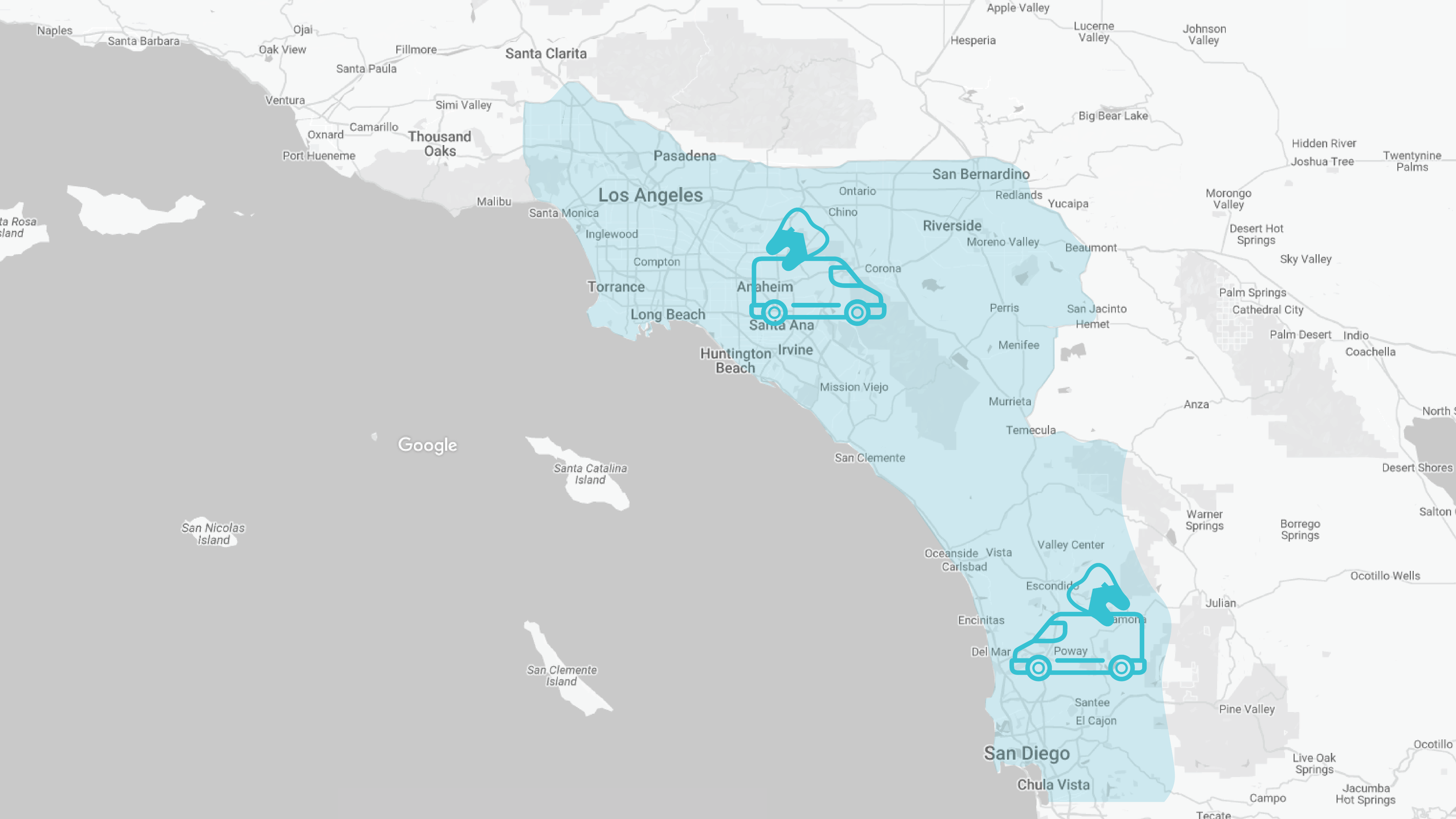
Areas We Serve